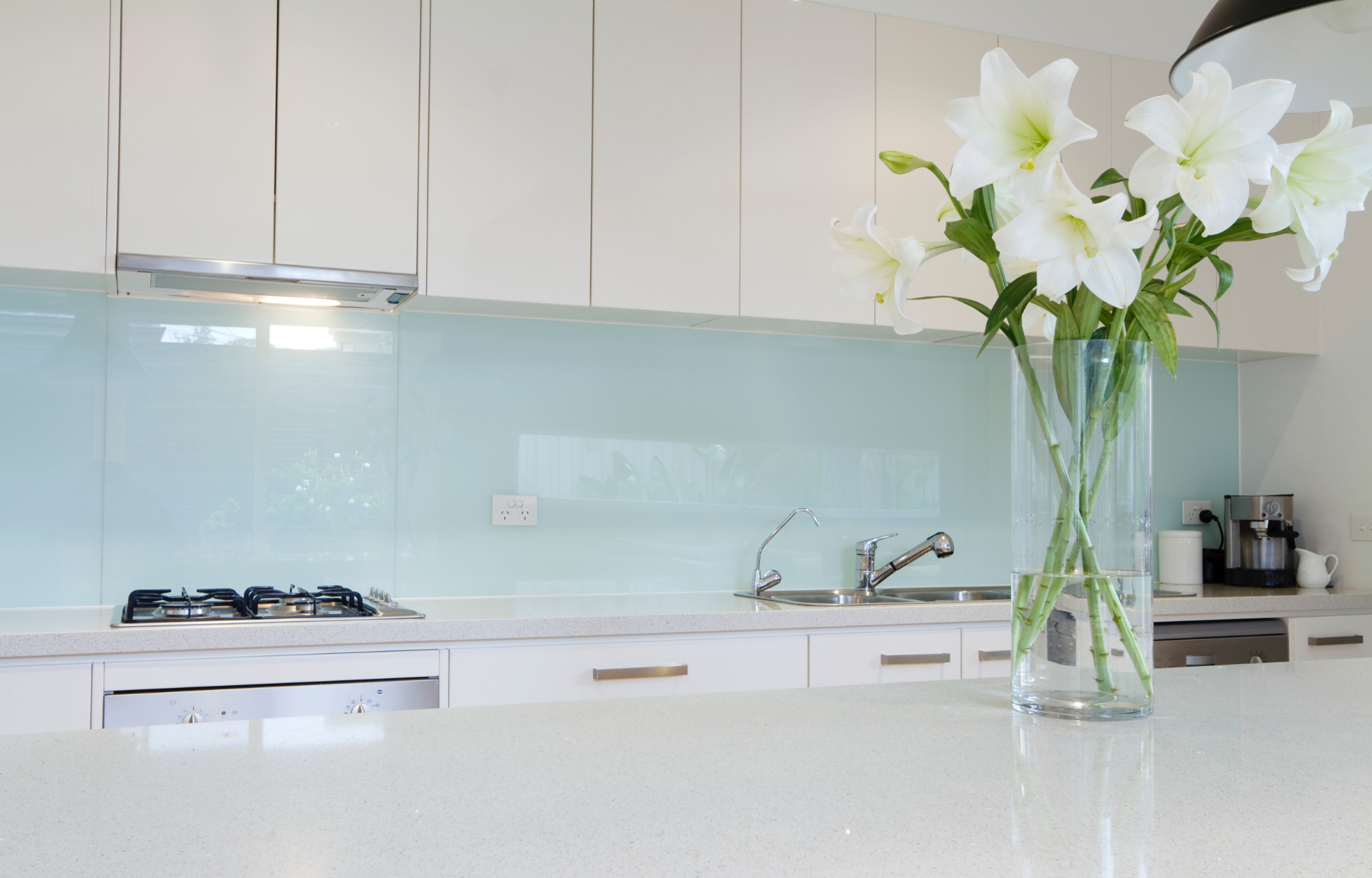
Choosing the right wall finish remains a major decision for Queensland property owners updating kitchens and wet areas. In modern renovations, a glass splashback in Brisbane is increasingly popular over traditional ceramic tiles for its superior moisture resistance, easy maintenance, and seamless visual appeal. Choosing custom glass splashbacks in Brisbane allows homeowners to balance aesthetic preferences with mandatory National Construction Code (NCC) kitchen glazing regulations.
Subtropical weather and high humidity across South East Queensland accelerate dirt and grime buildup inside traditional tile grout. Smooth glass surfaces prevent grease, mould, and water stains from penetrating kitchen walls. Modern design choices lean toward single glass sheets that reflect natural sunlight, creating an open, bright feel in coastal and suburban homes. A custom glass splashback protects your kitchen walls while keeping modern interiors looking spotless.
At a Glance: Glass Panels vs Ceramic Tiles
- Grout-Free Design: Single continuous glass panels eliminate porous grout lines where humidity, grease, and mould collect.
- Thermal Safety: Toughened safety glass engineered to Australian Standards withstands localised cooktop heat without cracking or discolouring.
- Custom Colour Matching: High-grade paint options allow precise colour matching with existing cabinetry and stone benchtops.
- Upkeep Differences: Ceramic tiles have lower upfront material costs but require routine sealing and aggressive scrubbing.
- Precision Fit: Digital laser measurement ensures exact cutouts for power outlets, rangehoods, and structural notches.
Material Comparison: Glass Panels vs Traditional Ceramic Tiles
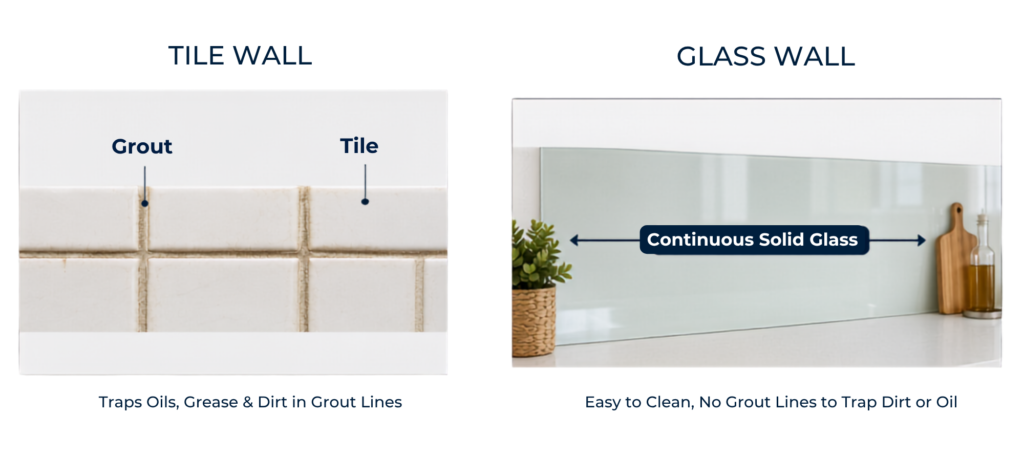
Evaluating structural performance, maintenance, and total installed costs helps clarify which splashback material best aligns with your renovation goals.
Initial Purchase Price and Ongoing Upkeep
Basic ceramic tiles often carry lower shelf prices, typically ranging from $150 to $400 per square metre installed (including tiles, adhesive, grout, trims, and tiler labour). However, ongoing care requires frequent scrubbing and periodic re-grouting to remove grease from porous cement joints.
Solid glass splashbacks range between $400 and $850 per square metre fully installed. While the upfront investment is higher, glass panels need only a quick wipe with mild soapy water. Over a standard ten-to-fifteen-year kitchen lifecycle, glass eliminates re-sealing expenses and reduces ongoing maintenance effort.
Installation Speed and Disruption to Your Home
Installing ceramic tiles involves messy adhesive mixing, manual tile cutting, spacer alignment, and a separate grouting visit the next day. Fine dust from dry-cutting ceramic tiles often spreads through living spaces during construction.
By contrast, glass installation minimises disruption to the home. The process involves two visits: an initial precision laser measure, followed by an on-site fitting visit once the panel is fabricated. Once manufactured, on-site mounting finishes within two to three hours, leaving your kitchen clean and ready for immediate use.
Compliance with Fire Clearances and Safety Standards
Australian regulations mandate a minimum 200mm clearance between the edge of the nearest gas burner and any vertical combustible surface. Where that distance is less than 200mm, the wall must be protected by an approved protective material. Toughened safety glass is an approved method, provided it is at least 5mm thick, complies with AS/NZS 2208, and extends at least 150mm above the periphery of the nearest burner.
Grade A toughened safety glass complying with AS/NZS 2208 and installed to AS 1288 serves as a resilient heat shield behind cooktops. When installed to these required clearances and extension heights, toughened glass panels safely withstand localised heat and thermal shock from gas burners or high-output induction hobs. For detailed requirements, review the official guidance on fire safety clearances for domestic cooktops.
Why Choose a Glass Splashback in Brisbane for Your 2026 Renovation?
Subtropical climates introduce elevated indoor humidity that challenges traditional tiled surfaces. Damp air combined with airborne cooking oils causes porous tile grout to stain and harbour bacteria. A solid glass wall panel provides a completely non-porous barrier, making daily cleanup simple with standard microfibre cloths.
Reflective glass also boosts natural light distribution. In suburban homes, glass surfaces bounce daylight into darker kitchen corners or enclosed laundries. A tailored panel pairs cleanly with architectural features like Frameless Shower Screens and mirrored elements in adjacent spaces.
Key Takeaway: Solid glass panels eliminate porous grout lines, delivering a clean, mould-resistant wall finish tailored for Queensland’s climate.
Breaking Down the Custom Glass Splashback Brisbane Costs
Your final investment depends on layout complexity, glass type, and custom cutouts:
| Pricing Factor | Impact on Investment | Consideration Details |
| Glass Type | Low to Moderate | Low-iron glass eliminates the natural green tint for exact paint matching. |
| Custom Cutouts | Moderate | Power sockets, rangehood notches, and pipe gaps require CNC waterjet cutting. |
| Finish & Effects | Moderate to High | Metallic tints, mirror finishes, or custom prints require extra manufacturing steps. |
| Panel Thickness | Standard | Minimum 5mm toughened glass applies for cooktop protection. Larger panels are typically specified at 6mm for rigidity and handling. |
Ready to explore options for your home? Book a Free Colour Consultation with our Brisbane design team for expert guidance on glass selection and exact pricing.
Transforming Your Home with Modern Kitchen Splashback Ideas Brisbane 2026
In 2026, neutral tones, warm greige, soft metallic accents, and organic mineral shades lead Brisbane kitchen splashback trends. Homeowners frequently specify back-painted low-iron glass matched to architectural paint swatches, creating visual consistency across open-plan living areas.
Updated interior surfaces align well with modern buyer preferences during property evaluations, as noted in recent insights on modern home buyer design expectations. Coordinating kitchen glass with matching Glass Wardrobe Doors in adjoining bedrooms establishes a cohesive interior aesthetic.
Step-by-Step Glass Splashback Installation Brisbane Process
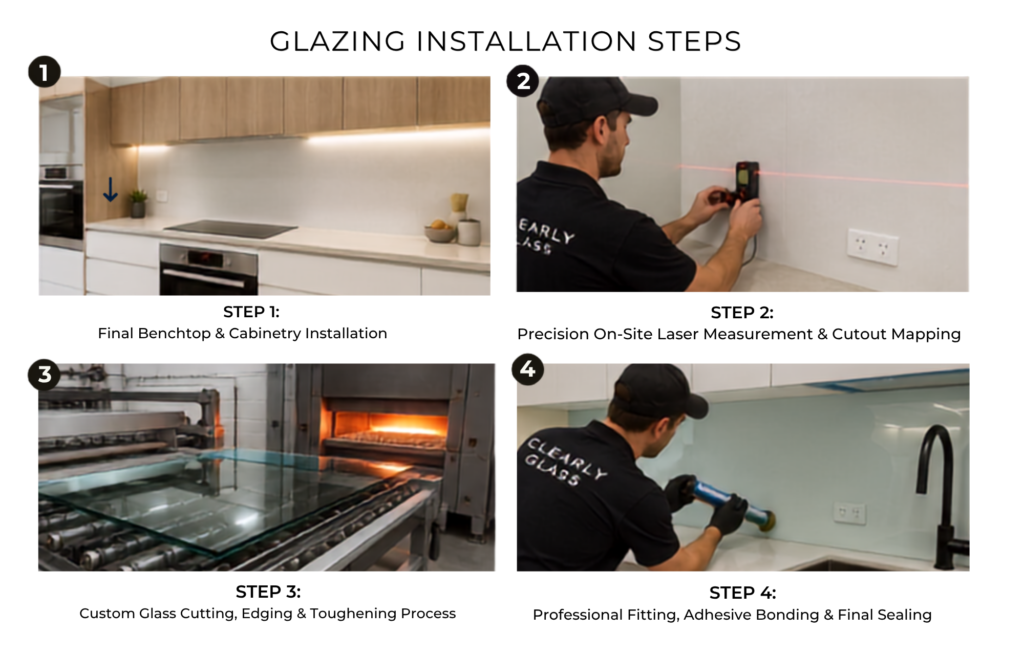
Achieving a precise fit requires systematic planning and professional execution across two planned visits.
Precise On-Site Laser Measurements
Measurement occurs only after benchtops, overhead cabinetry, rangehoods, and electrical rough-ins are permanently fixed. Glaziers perform digital laser scans to capture wall dimensions down to the millimetre. This ensures socket cutouts, wall notches, and fixing points match panel layouts perfectly before glass toughening.
Professional Toughened Safety Glass Fitting
During manufacturing, high-grade float glass is cut, edge-polished, and drilled before entering a thermal toughening furnace. Because toughened glass cannot be recut or altered after heat treatment, initial measurement accuracy is critical.
On installation day, installers mount the custom panel using neutral-cure silicone adhesives that bond securely without damaging the painted backing. Perimeter joints are sealed with wet-area silicone to create a watertight seal.
Start Your Kitchen Transformation Project Today
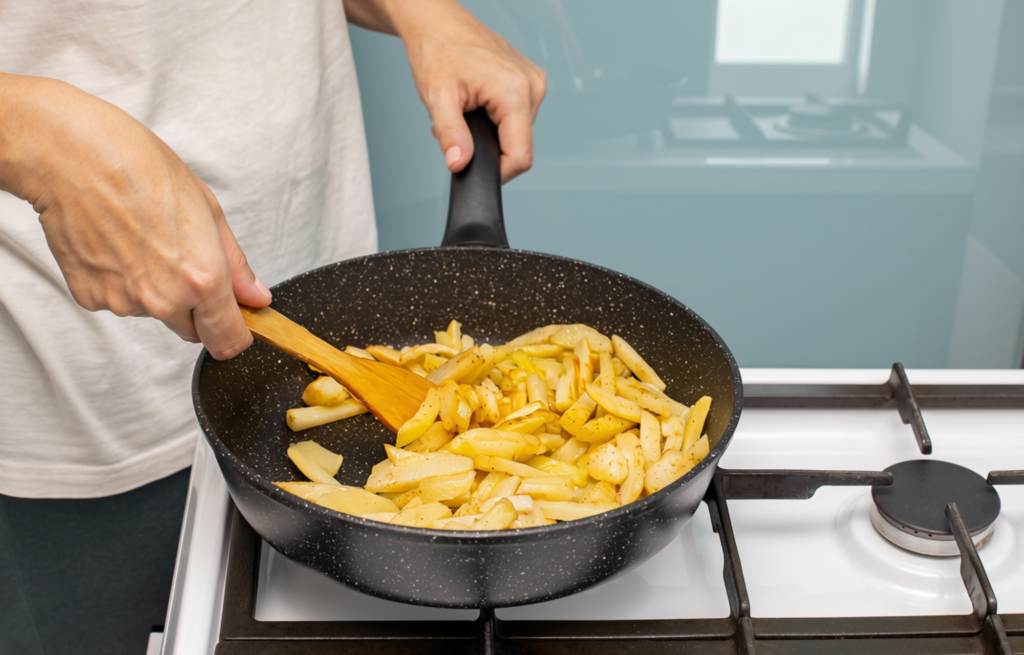
Upgrading kitchen or laundry walls with custom glass delivers an ideal balance of thermal safety, hygienic performance, and modern style. Review practical design advice in our guide on Glass Design Tips & Trends to refine your plans.
Choosing custom glass splashbacks ensures your renovation benefits from precise laser measuring, AS/NZS 2208 compliance, and certified installation. Contact our team today to request a detailed quote and design consultation.
Frequently Asked Questions (FAQ)
What does a custom glass splashback cost in Brisbane?
As at August 2026, total pricing typically ranges between $400 and $850 per square metre. This covers on-site laser measurement, 5mm or 6mm toughened safety glass manufacturing, custom paint matching, and professional installation. Upgrades such as low-iron glass, metallic finishes, and complex socket cutouts adjust final estimates.
How long does glass splashback installation take in Brisbane?
The process takes 10 to 14 business days from initial laser measurement to final fitting. Glass processing and furnace toughening account for most of this timeline, while final on-site installation finishes within two to three hours during a single visit.
What do 2026 kitchen splashback trends look like in Brisbane?
Current preferences emphasise neutral painted tones, soft bronze metallics, grey-tinted mirror panels, and ultra-clear low-iron glass. Homeowners frequently choose back-painted glass that complements natural stone benchtops and handleless joinery.
Do glass splashbacks meet national building and fire safety rules?
Yes. Compliant glass splashbacks utilise Grade A toughened safety glass that meets AS/NZS 2208 and AS 1288 standards. Behind gas cooktops, glass provides approved fire protection when it is at least 5mm thick, extends at least 150mm above the burners, and maintains a 200mm clearance to unprotected combustible wall framing.
How do you clean and maintain a solid glass surface compared to wall tiles?
Glass surfaces clean easily using standard glass spray or warm water mixed with mild detergent and a microfibre cloth. Without porous grout lines, glass prevents grease accumulation, mould growth, and discolouration in humid environments.